


2026.11.27
AI technologies are reshaping the translation and localization landscape. But not all AI solutions work equally well across all content types. Just as game localization and video dubbing require different approaches, the effectiveness of machine translation tools depends heavily on domain specificity, content format, and the customer’s business goals.
2026.11.27
AI translation quality is improving fast. But “improving” and “production-ready” are not the same thing. Any company that has actually run AI translation through a real project has hit a quality issue they didn’t see coming.
2026.11.20
ChatGPT, Claude, Gemini—today’s large language models (LLMs) show impressive translation performance. But anyone who has tried using these models on real business documents tends to encounter the same issue: everyday sentences may look excellent, but quality becomes unstable as soon as industry-specific terminology appears.
2026.11.20
Expectations around AI translation are running high, and for good reason. But once you start running real projects in production, a more nuanced picture emerges: AI translation transforms some workflows dramatically — and complicates others.
2026.11.13
Interest in AI translation is rising quickly. Many companies are drawn to the promise that AI can make translation faster and less expensive, while at the same time worrying that quality may not be reliable enough. Even when interest is high, many business teams still do not know where to begin or what to evaluate first.
2026.11.13
More companies are adopting AI translation. Yet when the same document is given to multiple translation providers, the difference in output quality is often greater than expected. If everyone says they use AI translation, why are the results so different?
2026.11.06
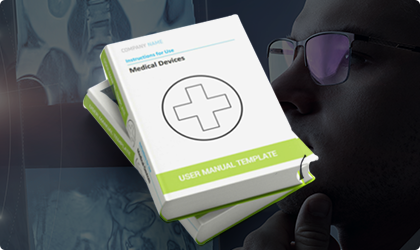
In the complex landscape of medical devices, ensuring clear and accurate communication is not just a matter of convenience; it’s a critical component of patient safety and regulatory compliance. “Instructions for Use” (IFU) serve as the cornerstone of guidance for healthcare professionals and patients navigating the intricacies of device operation and maintenance. However, translating IFU presents formidable challenges, demanding meticulous attention to detail and precision to avoid potentially dire consequences. In this comprehensive exploration, we delve into the indispensable role of the back translation process in upholding the integrity and accuracy of translated IFU for medical devices.